


How you can clean your septic tank and improve it with a proper routine
Your septic tank is a large underground holding tank where wastewater from the shower, kitchen and toilet goes when it leaves your home. The wastewater is treated by bacteria and other microorganisms, which break down the waste matter.
Septic tanks are watertight containers made of concrete, fibreglass or plastic. They are a cost-effective way of treating wastewater for homes not on the mains sewage system.
If you have a septic tank, it's important to understand how it works and be familiar with the cleaning and maintenance tasks you can complete to help extend the life of your system, so you won’t have to worry about expensive repairs or replacements.
A septic system primarily consists of the septic tank and drainage field (often called a soakaway), which are connected by a series of pipes leading from the home's wastewater drainage line through the tank and out to the drainage field.
The wastewater flows into the septic tank, where the solids are filtered out and the liquid waste passes into the perforated pipes, which allow the liquid to gradually seep into the ground, where it is naturally filtered by the soil. A drainage field is made up of this series of perforated pipes and the surrounding area where the liquid waste is released.
If the septic system is properly maintained, it could last between 15 and 40 years, while the drainage field may be useable for more than 50 years.
Get your tank inspected regularly
To prevent problems, have your septic system inspected every one to two years by a licensed septic tank contractor and follow their advice about how often to clean out the tank (usually known as getting it pumped).
A septic tank contractor will:
- Locate your septic system and uncover access holes
- Open the inspection port to check that internal slabs or tees (baffles) are in good condition
- If your system has an effluent filter, check it to see if it needs to be cleaned. (Some filters are equipped with alarm systems to alert the homeowner when the filter needs to be cleaned.)
- Flush your toilets
- Check for signs of sewage or wastewater backup
- Measure scum and sludge layers
- Identify any leaks
- Inspect mechanical parts if there are any
- Recommend tank cleaning (pumping) if needed
- Check the ground over the drainage field for sogginess or ponding, which could be a sign of improper drainage, a clogged system or excessive water use. The contractor may also recommend a drainage field inspection, which is a separate process.
Get the tank pumped
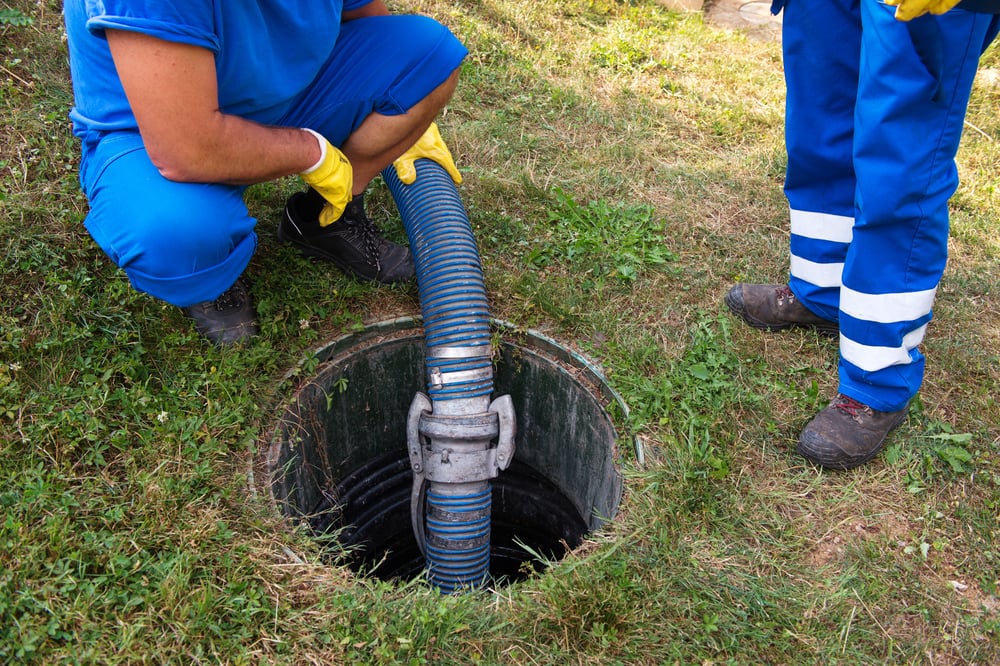
One of the most important tasks you will need to arrange (about once every two to five years) is having your septic tank pumped by a professional.
Pumping removes the sludge which accumulates in the bottom or your septic tank. If solid waste isn’t removed through pumping, it can eventually clog the tank and soil treatment area, causing backups. Backups occur because the bacteria in the tank have been overwhelmed by too many solids. They can be very dangerous, especially if no backup pump is installed.
How often you have your septic tank depends on the size of the tank, the number of people living in the home and the type of waste going into the septic system.
Households of two to four people can typically pump their septic systems about every three years. But if you have a larger household or your water usage has increased for any reason, you should adjust your schedule and pump your system more often.
The only way to know for certain when the time is right to get your tank pumped, is by having regular inspections by a professional septic tank contractor.
The contractor will recommend pumping by a licensed septic pumper whenever the bottom of the scum layer is within 15cm (6”) of the bottom of the outlet, if the top of the sludge layer is within 30cm (12”) of the outlet, or if more than 25% of the liquid depth is sludge and scum.
No matter what your pumping schedule is, you may need to adjust it depending on your household's size and water usage, especially if there is a significant change in the size of the household or the use of water.
Use water efficiently
A typical tank stocked by Tanks For Everything holds 2,800 litres of wastewater. In the UK, one person uses 142 litres of water per day, on average.
All that water gets sent down the pipes and into the septic system. The more water a household conserves, the less water enters the system. Efficient water use improves the operation of a septic system and reduces the risk of malfunctions.
You can improve water efficiency by:
- Choosing the proper load size for your washing machine or, if that isn’t an option, only running full loads of laundry
- Washing a maximum of two loads of clothes a day. Doing all the laundry in one day may save time, but could overwhelm the system
- Turning off the tap when washing dishes. Only turn it on when it’s time to rinse
- When washing your hands, scrub them with soap before turning the tap on
- Turning the tap off when brushing teeth
- Fixing leaky taps and toilets. Over time, they can send hundreds of extra litres of water through your septic system.
Properly dispose of waste
It is all too easy to drop sanitary towels and dental floss down the toilet or rinse food waste and cooking oils down the sink, but they will affect the operation of your septic tank.
You shouldn’t flush anything other than human waste and toilet paper down the toilet.
A high amount of solid waste in the system will cause the sludge in the septic tank to pile up quickly, meaning you need to get it pumped more frequently.
As well as filling up the system more quickly, food waste and cooking oils can be harmful to the healthy bacteria that grow in your septic tank and drainage field, which help break down organic matter in your system.
Be careful with cleaning chemicals
You can’t keep your septic tank clean with household cleaning chemicals! In fact, they may cause harm to your system.
A septic system uses bacteria to break down the waste. These bacteria are vulnerable to powerful cleaning solutions, antibacterial soaps and drain cleaners. Bleach, for example, can cause real problems for the good bacteria in your septic system and prevent it from working correctly.
So by pouring powerful cleaning solutions down the drain, you are harming the bacteria and reducing the function of the septic system.
Maintain your drainage field
The drainage field is a sensitive part of your septic system, which it can be easy to forget about. But it needs to be protected at all times.
The drainage field, or soakaway, is made up of several perforated pipes that extend the entire length of the drainage field.
To help avoid any damage to the septic system, it's important to clearly mark off the drainage field and inform any guests that this area cannot support heavy loads.
It is fine to walk on top of the drainage field without causing any problems, but the weight from cars, vans or any semi-permanent structures can damage the buried pipes and cause them to leak.
The plant life around the soakaway also needs to be kept in check. Any trees, bushes or shrubs need to be removed, so that the roots don't grow into the pipes. But you can and should grow grass on the drainage field, because grass absorbs water to reduce flooding, the roots don't grow too deep and the grass helps to prevent erosion.
Even when you limit the water and solid waste that comes from the home and regularly inspect and pump the septic tank, the drainage field can still become clogged. This is especially true during periods of particularly rainy weather, or melting snow, because the excess water can flood the system, increasing the amount of solid waste that passes through into the drainage field.
By following these tips, and ensuring everyone in the household is on board, you should be able to ensure the safe running of your septic tank for many years to come.
All of our septic systems at Tanks For Everything are manufactured to current standards and follow water quality codes of practice. Tanks For Everything offers a variety of price points and materials and advises our customers about the right septic tank to use so that they buy the best product for their requirements.
You should check the general binding rules for septic tanks on Gov.uk to see whether you need a permit to operate your septic tank – or whether it would be better for you to install a sewage treatment plant instead.
You mustn’t discharge wastewater from a septic tank into a watercourse, such as a stream, ditch or river. If you plan to discharge into a watercourse, you should install a sewage treatment plant instead of a septic tank.


